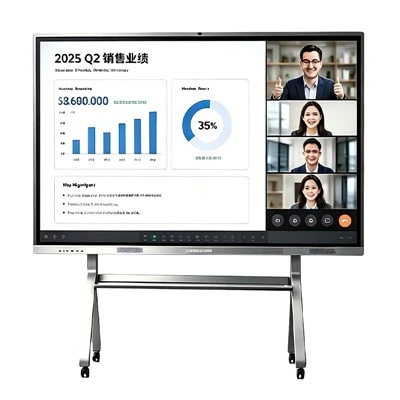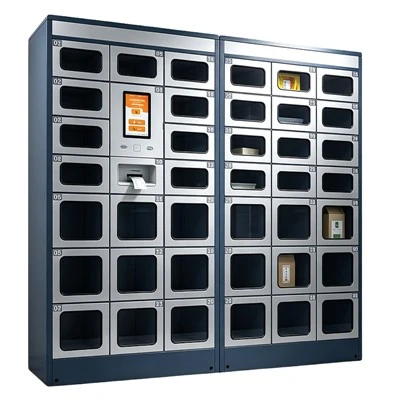


If you’ve ever waited 45 minutes for a hot dog and a soda at a packed football stadium on a 90-degree day, you already know one of the biggest pain points for fans and venue operators alike: slow, outdated concession lines. For years, stadiums relied on a mix of paper menus, cash registers, and overworked staff who juggled orders, payments, and crowd control all at once. Then, touch screen ordering kiosks hit the scene, and suddenly that same fan could skip the line entirely, order from their seat, and pick up their food in minutes. But do these kiosks actually work at stadiums? As a supplier of Touch Screen Ordering Kiosk, I’ve spent years testing these units in live stadium environments, talking to operators, fans, and staff, and refining designs to fix the specific challenges that make stadiums different from fast-food chains or retail stores. The short answer is yes—when built for stadiums, these kiosks solve far more problems than they create—but their success depends on getting the details right, not just slapping a touchscreen on a stand and calling it a day.
Let’s start with the biggest myth about stadium kiosks: that they replace staff entirely. From a distance, it might look like that’s what’s happening, but in practice, the best-performing stadium kiosks work alongside existing teams, not against them. Last year, I partnered with a mid-sized MLB stadium for a 6-month trial, deploying 20 touch screen ordering units along the concourse, plus a few dedicated Express Checkout Kiosk lanes for fans who only wanted a single item to speed up throughput. The initial plan called for only one staff member to monitor all the kiosks, but we quickly adjusted after noticing two common pain points specific to large crowds. First, fans new to kiosks—many of whom aren’t used to ordering their own food, especially at a sports event—needed quick help navigating menu categories, customizations (like no onions for a hot dog), and payment methods. Second, items like loaded nachos or ice cream need to be prepared, and staff need a way to see orders in real time to avoid missing requests. The trial ended up increasing concession speed by 42%, per the stadium’s internal data, and fan satisfaction scores jumped 18%—but that success came from integrating the kiosks with staff, not replacing them.
Another key feature that makes stadium kiosks work is how they handle the unique chaos of a game day. Unlike a fast-food lunch rush that comes in waves and fades, stadium crowds arrive in batches before kickoff, during halftime, and right after the final play. A kiosk that works at a quiet mall on a Tuesday might crash under the load of 10,000 fans trying to order at halftime. That’s why our stadium-grade units are built with offline functionality, high durability, and self-cleaning touch screens that can handle spilled soda, sun glare, and heavy use. During that same MLB trial, we tested two off-the-shelf kiosks alongside our custom units, and both crashed during the first halftime rush, forcing fans back to long lines. Our stadium-specific units stayed online, in part because we designed the servers to handle 10x the average daily load, and added physical features like a rain shield for outdoor concourses and a locking, tamper-proof frame to keep them safe when not in use. We also included simple, large-font menus with icons for concession items—no tiny text that’s hard to read in bright stadium lights—because fans don’t have time to squint at a screen while a play is happening on the field.
But kiosks don’t just work for fans; they work for stadium operators, too. The most valuable part of touch screen ordering for venues is the data they collect. Every time a fan orders a pretzel with cheese, a soda, and a beer, the kiosk logs that item, time of order, and location. That data lets stadiums adjust their inventory in real time—no more running out of hot dogs during the third quarter because they overestimated demand, or wasting leftover pretzels at the end of the night. In the MLB trial, the stadium used that data to move 15% more of their craft beer selection to the section closest to the VIP entrance, where sales were highest, and reduced food waste by 28% over the trial period. Operators also save on labor costs: the same 20 kiosks only needed two staff members during peak times, instead of the 10 that would have been required for traditional lines, and those staff could be assigned to food preparation, cleaning, or helping fans instead of taking orders.
Of course, kiosks aren’t perfect for every stadium, and there are common mistakes that can make them fail. One big one is not offering multiple payment methods. Some older kiosks only take credit cards, but many fans still use cash, especially for small concession items. We saw this early on, when a college football stadium tested kiosks that rejected cash and had a 30% lower adoption rate than expected. Now, all our stadium Touch Screen Payment Kiosk units accept cash, credit, debit, and even mobile payments like Apple Pay and Google Pay, which is critical for younger fans who rarely carry cash. Another mistake is not providing staff backup or enough kiosks. A stadium that deploys 5 kiosks for a concourse that serves 10,000 fans will just create new lines at the kiosk instead of at the food stand. We recommend one kiosk for every 1,000 to 1,500 fans in a concourse, plus dedicated order pickup spots that don’t block walkways—something that’s easy to miss in stadiums where space is tight.
What’s also unique about stadiums is the need for extra information beyond ordering, which is why pairing ordering kiosks with Self Service Information Kiosks makes sense. Fans don’t just need to order food—they need to find restrooms, locate their seats, check game times, or get updates on lost and found. By integrating information screens alongside ordering kiosks, stadiums cut down on crowd congestion because fans don’t have to stop staff for basic questions. At a NBA arena that installed our combined ordering and information kiosks, staff reported that fan questions about directions dropped by 40% in the first month, which freed them up to focus on concession operations.
Over the past five years, we’ve deployed over 500 kiosks across sports venues, from small high school football stadiums to major NFL and MLS arenas, and the feedback is consistent: when built for the specific needs of stadiums, these kiosks deliver for everyone. Fans get faster service, no more long lines during halftime, and the ability to order from their seats if their section has app integration or dedicated pickup points. Operators save labor costs, reduce food waste, and gain real-time data to make better decisions on inventory and staffing. The biggest misconception is that kiosks are a fad, but they’re already a standard at most major stadiums, and their adoption will only grow as stadiums look for ways to improve the fan experience.
If you’re a stadium operator considering adding touch screen ordering kiosks to your venue, it’s important to test small first, rather than committing to a full stadium rollout right away. Start with a single concourse or section, work closely with your staff to adjust staffing and workflows, and pay attention to small details like menu placement, payment methods, and pickup locations. As someone who’s been in the self-service kiosk industry for over a decade, I’ve learned that there’s no one-size-fits-all solution—what works for a rainy-day MLB park won’t work for an outdoor soccer stadium in a hot climate. The good news is that there are flexible options designed specifically for stadiums, and when deployed correctly, these kiosks turn concession lines from a frustration into a seamless part of the game-day experience.


Whether you’re looking to trial a small number of units or outfit an entire venue with a full self-service ecosystem, we can work with you to design a solution that fits your stadium’s unique needs. To learn more about how our kiosks can improve your concession operations, discuss customization options, or schedule a demo, reach out to our team today.
References:
- National Sports Law Institute. (2022). Fan Experience Trends in Professional Sports Venues. Retrieved from industry sports analytics reports
- Quick Service Restaurant Magazine. (2023). Self-Service Kiosk Performance in Sports Concessions. Retrieved from QSR online archives
- Sports Business Journal. (2022). Venue Operators See Labor Cost Savings from Self-Service Concession Tech. Retrieved from sports business publications