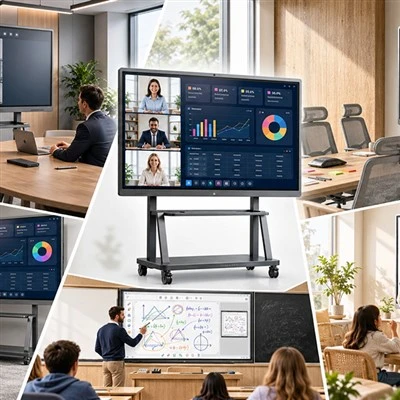

A self-service terminal is a self-service device designed to provide users with a convenient and efficient service experience.
Definition and Functions:
Self-service terminals are automated devices typically installed in public locations such as banks, supermarkets, and hospitals.
Users can perform tasks-such as information inquiries, service transactions, and payments-via input devices like touchscreens or keyboards.
These terminals can handle various tasks, including checking account balances, printing bills, and purchasing goods, thereby saving user time and boosting operational efficiency.
Technological Applications:
Self-service terminals utilize technologies such as computing, networking, and touchscreens.
The application of these technologies enables the terminals to respond to user commands and facilitate real-time information interaction and processing.
Terminals are typically connected to backend servers to update data in real time, ensuring users receive accurate information.
Advantages and Impact:
The advent of self-service terminals has transformed traditional service models, reducing labor costs and increasing operational efficiency.
They offer users the convenience of self-service at any time, improve service quality, reduce queue times, and enhance the overall user experience.
They drive the growth of the self-service industry, encouraging more service sectors to adopt this modern approach to service delivery.