

When selecting smart cabinets, several key factors should be considered: first, security, including physical theft protection and data encryption standards; second, compatibility, specifically whether the system supports integration with existing enterprise management systems such as ERP and MES; third, durability, with the housing material offering good impact resistance and weatherability; and fourth, scalability, ensuring sufficient interfaces are reserved for future upgrades. After-sales service is also a crucial consideration to ensure timely response and maintenance in the event of equipment failure. Overall, smart cabinets are not merely storage tools but vital infrastructure for enterprise digital transformation; a well-chosen solution can significantly reduce management costs and enhance operational transparency.
Selecting Smart Cabinets
Popular Products

Flat Panel Touch Screen
Touch Technology for Interactive Projects
The Flat Panel Touch Screen offers infrared and capacitive touch...
The Flat Panel Touch Screen offers infrared and capacitive touch...

Self Service Payment Machine
Payment Functions for Independent Service Stations
The Self Service Payment Machine provides a touchscreen...
The Self Service Payment Machine provides a touchscreen...
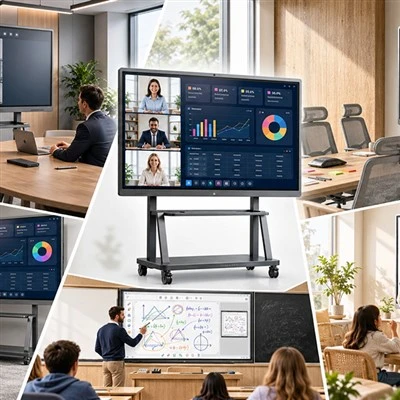
Interactive Display Panel
Meeting Presentation and Collaborative Work
The Interactive Display Panel combines 4K visual presentation,...
The Interactive Display Panel combines 4K visual presentation,...

Lcd Advertising Player
Digital Content Playback and Presentation
The LCD Advertising Player supports video, image, and webpage...
The LCD Advertising Player supports video, image, and webpage...

Touch Screen Ordering Kiosk
Quick Buyer Check
Available in 21.5, 23.8, 27, and 32-inch touchscreen sizes.
Supports ARM and x86...
Available in 21.5, 23.8, 27, and 32-inch touchscreen sizes.
Supports ARM and x86...

Self Service Ordering Machine
Restaurant Ordering and Counter Integration
The Self Service Ordering Machine brings touchscreen ordering,...
The Self Service Ordering Machine brings touchscreen ordering,...