

In terms of technical principles, smart cabinets typically employ various authentication methods-such as RFID (Radio Frequency Identification), barcode scanning, or facial recognition-to ensure that only authorized personnel can access specific compartments. They are usually equipped with electronically controlled locks that interface with a central server for real-time data exchange. Regarding environmental control, high-end smart cabinets integrate sensors for temperature and humidity, as well as modules for lighting adjustment and gas monitoring, making them particularly suitable for applications requiring strict storage conditions. For instance, in the semiconductor and electronics industries, anti-static smart cabinets effectively prevent damage to precision components caused by static electricity; meanwhile, in the chemical or photovoltaic sectors, cabinets made of corrosion-resistant materials (such as polypropylene/PP) withstand acid and alkali exposure, thereby extending their service life.
Technical Principles Of Smart Cabinets
Popular Products

Flat Panel Touch Screen
Touch Technology for Interactive Projects
The Flat Panel Touch Screen offers infrared and capacitive touch...
The Flat Panel Touch Screen offers infrared and capacitive touch...

Self Service Payment Machine
Payment Functions for Independent Service Stations
The Self Service Payment Machine provides a touchscreen...
The Self Service Payment Machine provides a touchscreen...
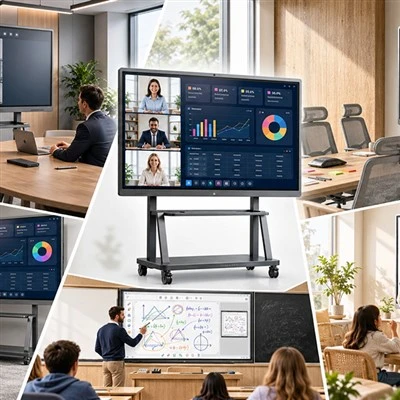
Interactive Display Panel
Meeting Presentation and Collaborative Work
The Interactive Display Panel combines 4K visual presentation,...
The Interactive Display Panel combines 4K visual presentation,...

Lcd Advertising Player
Digital Content Playback and Presentation
The LCD Advertising Player supports video, image, and webpage...
The LCD Advertising Player supports video, image, and webpage...

Touch Screen Ordering Kiosk
Quick Buyer Check
Available in 21.5, 23.8, 27, and 32-inch touchscreen sizes.
Supports ARM and x86...
Available in 21.5, 23.8, 27, and 32-inch touchscreen sizes.
Supports ARM and x86...

Self Service Ordering Machine
Restaurant Ordering and Counter Integration
The Self Service Ordering Machine brings touchscreen ordering,...
The Self Service Ordering Machine brings touchscreen ordering,...